
In modern agriculture, scientific crop management is becoming increasingly important. Farmers, agricultural researchers, and greenhouse growers are now using advanced testing instruments to monitor plant health more accurately and improve crop productivity.
Among these tools, the chlorophyll meter has become one of the most practical and widely used agricultural testing instruments.
But what exactly can a chlorophyll meter measure? And why is it so important in modern farming?
This article explains the functions, applications, and real-world benefits of chlorophyll measurement technology.
What Is a Chlorophyll Meter?
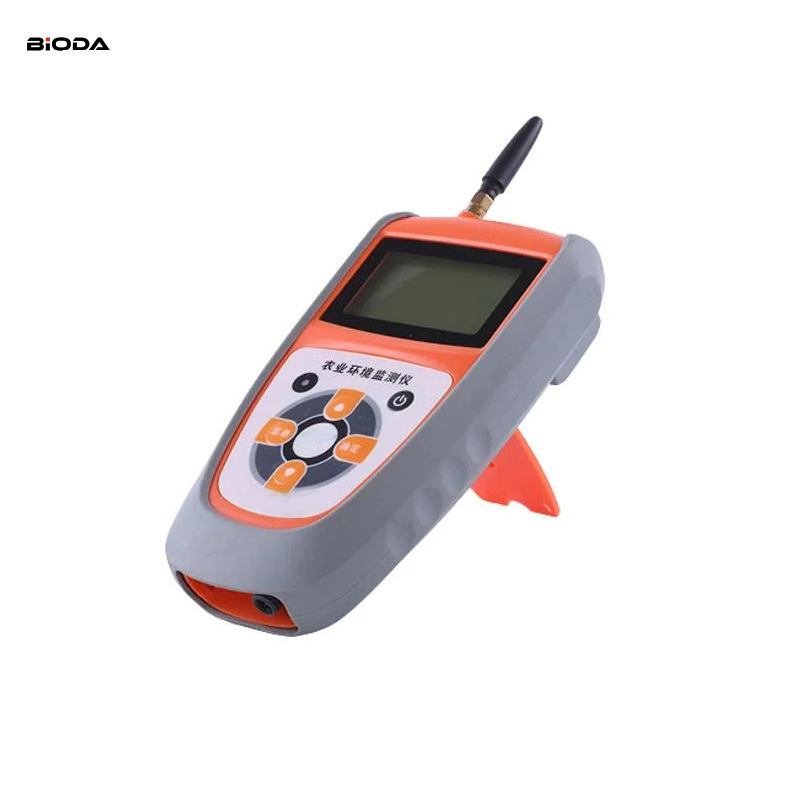
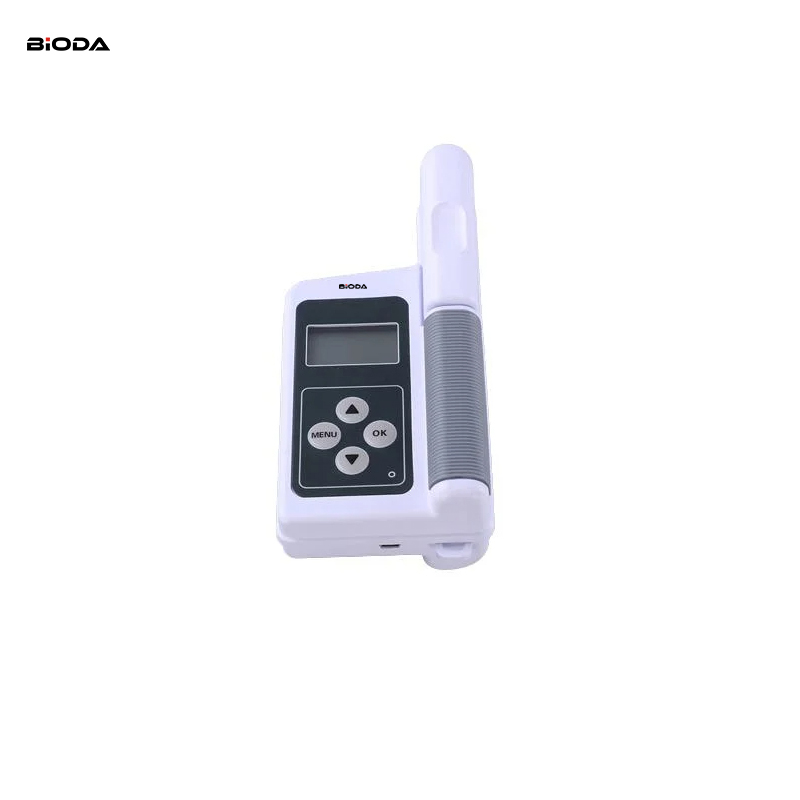
A chlorophyll meter is a portable agricultural instrument used to measure the chlorophyll content in plant leaves quickly and non-destructively.
Chlorophyll is the green pigment responsible for photosynthesis. Its level directly reflects:
* Plant nutritional status
* Nitrogen content
* Photosynthetic activity
* Crop growth condition
* Overall plant health
By measuring chlorophyll levels, growers can better understand whether plants are healthy or suffering from nutrient deficiency, water stress, or environmental problems.
Unlike traditional laboratory analysis, chlorophyll meters provide fast field measurements without damaging crops, making them ideal for modern precision agriculture.
hy Chlorophyll Measurement Is Important
Chlorophyll content is closely related to plant growth efficiency.
When chlorophyll levels decrease, plants may experience:
* Nitrogen deficiency
* Poor photosynthesis
* Reduced crop yield
* Slower growth
* Environmental stress
By monitoring chlorophyll content regularly, growers can:
* Optimize fertilizer application
* Reduce unnecessary nitrogen use
* Improve crop quality
* Increase agricultural productivity
* Lower farming costs
This is especially important in precision agriculture, where data-based crop management helps improve farming efficiency and sustainability.
What Can a Chlorophyll Meter Measure?
Modern chlorophyll meters can measure much more than simple chlorophyll content.
Depending on the model, agricultural testing instruments may support multiple environmental parameters.
1. Leaf Chlorophyll Content
This is the primary function of the instrument.
The chlorophyll meter evaluates leaf greenness and chlorophyll concentration, helping users determine:
* Plant nutrient condition
* Nitrogen absorption status
* Crop growth performance
It is widely used in:
* Rice cultivation
* Wheat farming
* Corn production
* Fruit orchards
* Greenhouse vegetables
2. Soil Moisture
Some multi-parameter agricultural meters can also monitor soil moisture content.
According to the product specifications, soil moisture testing includes:
* Measurement range: 0–100%
* Fast response time within 2 seconds
* High measurement accuracy
Soil moisture monitoring helps growers:
* Prevent over-irrigation
* Improve water management
* Reduce crop stress
* Optimize irrigation scheduling
3. Soil Temperature
Soil temperature directly affects:
* Seed germination
* Root activity
* Nutrient absorption
* Microbial activity
The instrument can measure soil temperature within a wide range, allowing growers to better evaluate planting conditions and crop development.
4. Air Temperature and Humidity
Advanced agricultural monitoring systems may also include:
* Air temperature detection
* Air humidity measurement
* Dew point monitoring
These environmental parameters are extremely useful for:
* Greenhouse management
* Climate monitoring
* Precision agriculture systems
* Crop disease prevention
By combining multiple environmental measurements, growers can obtain a more complete understanding of crop growth conditions.
Advantages of Using a Chlorophyll Meter
Modern chlorophyll meters offer several important advantages:
Fast and Non-Destructive Testing
Traditional laboratory analysis often requires leaf sampling and chemical processing.
A chlorophyll meter provides immediate results without damaging plants.
Portable and Easy to Use
Portable handheld designs allow users to conduct field measurements quickly and efficiently.
High Accuracy
Modern sensors provide stable and reliable testing results for scientific agricultural management.
Supports Precision Agriculture
Real-time plant monitoring helps growers make data-driven decisions and improve resource efficiency.
Real Agricultural Application Case
A greenhouse tomato farm experienced inconsistent crop growth and rising fertilizer costs.
The farm began using a chlorophyll meter to monitor leaf chlorophyll levels and environmental conditions regularly.
After analyzing the data, the farm discovered:
* Some areas received excessive nitrogen fertilizer
* Other areas suffered from insufficient irrigation
Using chlorophyll and soil moisture data, the farm adjusted its fertilization and irrigation strategy.
As a result:
* Fertilizer use was reduced by 20%
* Crop growth became more uniform
* Tomato quality improved significantly
* Overall production efficiency increased
This demonstrates how chlorophyll monitoring technology can help modern farms improve productivity while reducing operating costs.
Conclusion
A chlorophyll meter is much more than a simple agricultural testing tool.
Modern systems can measure:
* Chlorophyll content
* Soil moisture
* Soil temperature
* Air temperature
* Air humidity
* Dew point
These measurements help farmers and researchers better understand plant health, optimize resource management, and improve crop performance.
As precision agriculture continues to develop worldwide, chlorophyll meters are becoming increasingly important for modern scientific farming and sustainable agricultural production.
If you have any technical questions, we can discuss them together.